
A Global Rural Learning Revolution
Across thousands of rural villages in Africa, remote Himalayan settlements in Asia, agricultural communities in Latin America, and underserved districts within developed nations, classrooms often share a quiet and unsettling similarity. They are built with determination, sometimes with sacrifice, yet they operate with minimal resources. Wooden desks line the room. A chalkboard hangs at the front. Sunlight filters through narrow windows. And beyond that — there is very little.
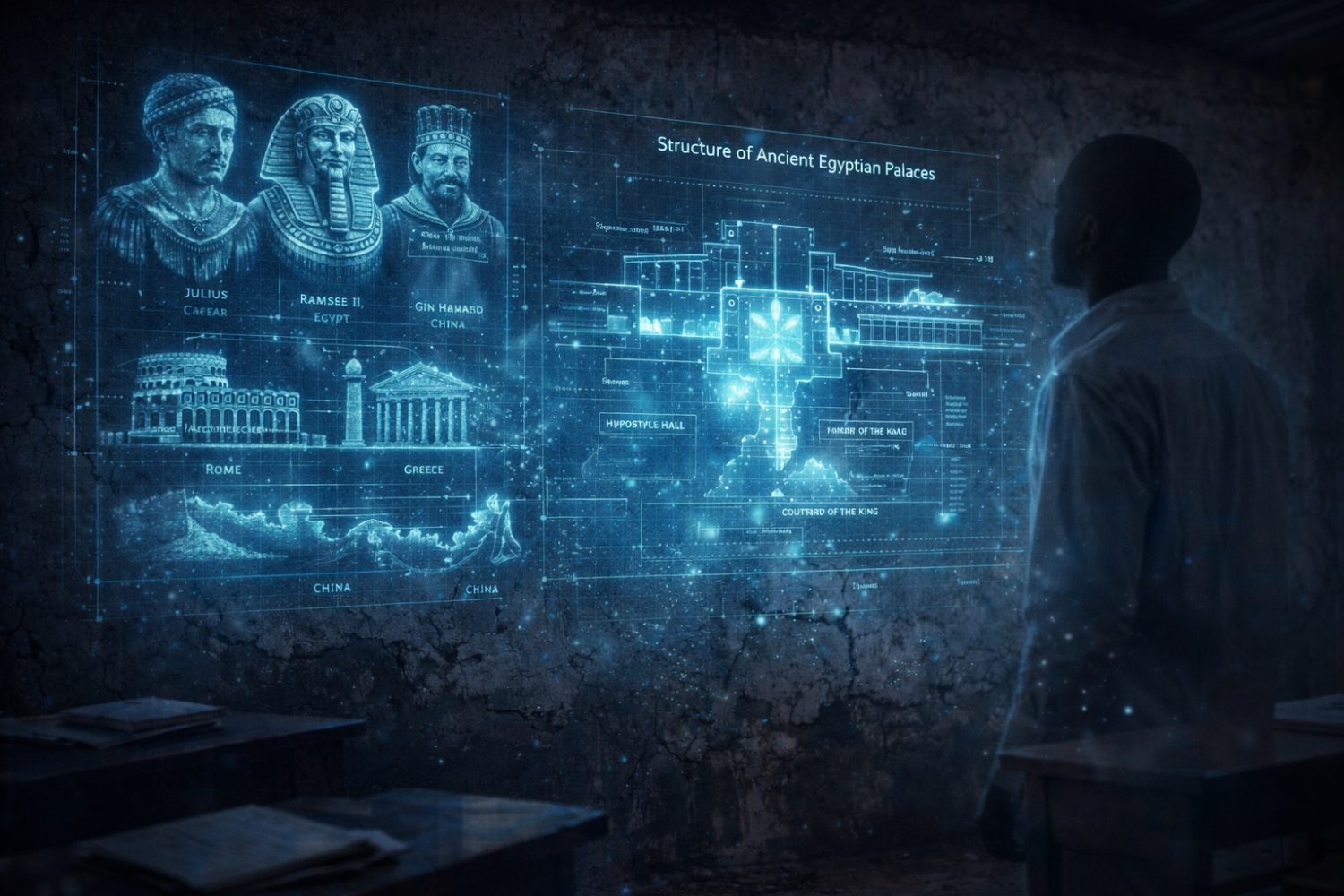
Textbooks are scarce. Laboratory equipment is rare. Internet connectivity is unreliable or completely absent. Teachers often carry enormous responsibility with limited tools. And while infrastructure development is discussed in policy rooms and international summits, students in these communities continue to learn within walls that remain empty.
The paint may be peeling. The cement may be cracked. The furniture may be worn. Yet one structural element is always present — walls.
These walls, often overlooked and unutilized, represent one of the greatest untapped educational assets in low-income environments. They surround students every single day. They remain present long after a lesson ends. They are constant.
The School Wall Project begins with a simple but transformative insight: if the walls cannot change, their purpose can.
Education Where Infrastructure Is Limited
In many low-income regions, educational reform is frequently tied to ambitious, high-cost interventions — computer laboratories, broadband infrastructure, smart boards, and advanced scientific equipment. While powerful, these solutions often require continuous funding, electricity stability, and maintenance systems that rural communities struggle to sustain.
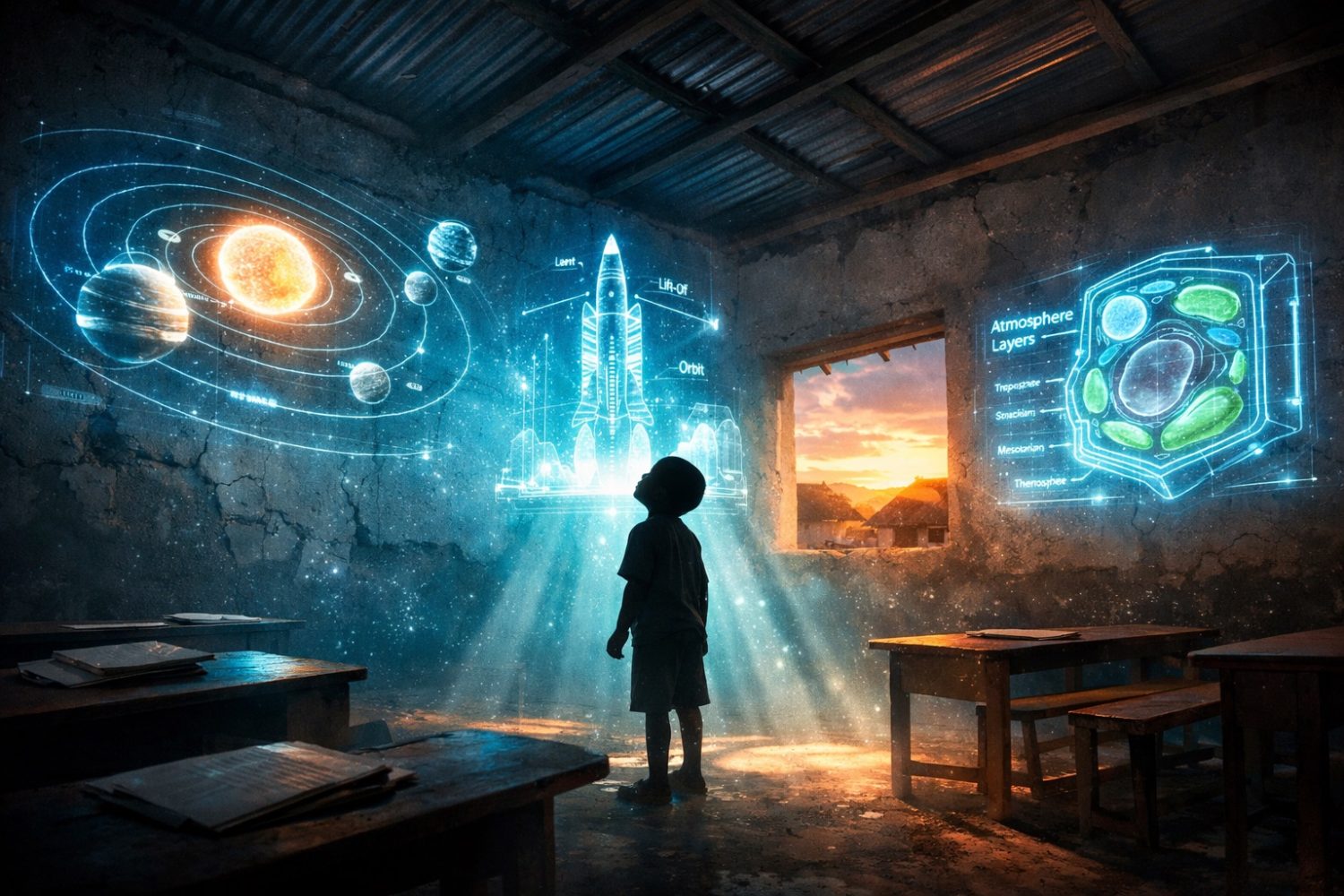
Rather than waiting for ideal infrastructure, the School Wall Project activates what already exists. It converts passive physical space into intellectual infrastructure.
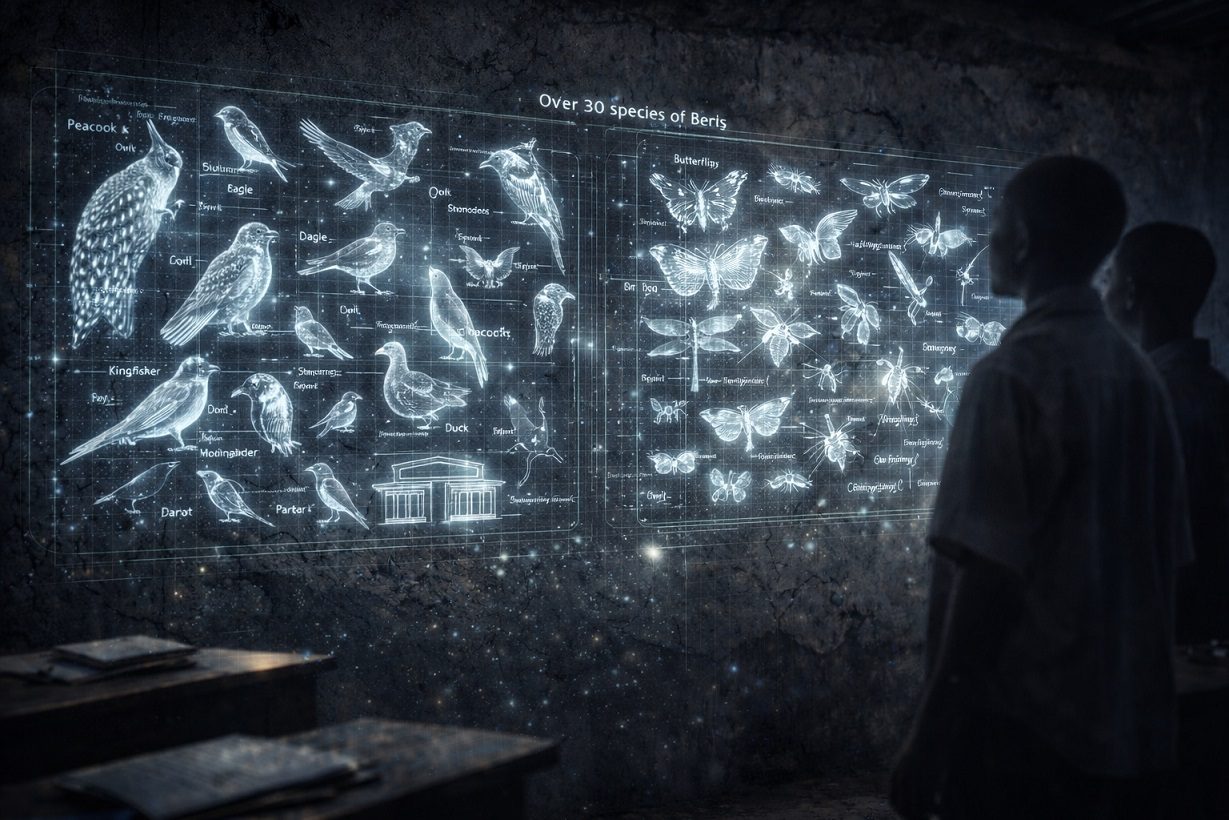
A blank wall becomes a structured knowledge surface. It becomes a map of the world. It becomes the internal anatomy of the human body. It becomes the water cycle, agricultural science adapted to local crops, renewable energy systems relevant to climate resilience, engineering fundamentals, or the layered architecture of the atmosphere.
Learning no longer depends solely on a teacher’s explanation. It becomes environmental. It becomes immersive. It becomes continuous.
In environments where electricity may fail and internet access may disappear, the wall remains. And once transformed, it teaches silently, consistently, and without interruption.
Igniting Imagination in low income Contexts
Children growing up in Low income are not limited by intelligence. They are limited by exposure. Exposure shapes perception. Perception shapes aspiration.
If a child never sees the internal structure of a plant cell, the propulsion system of a rocket, the blueprint of a bridge, or the diagram of the brain, then those concepts remain abstract and distant. But when these ideas are present daily — visible, tangible, and normalized — something profound happens.
The unfamiliar becomes familiar. The distant becomes imaginable. The impossible becomes conceivable.

In a rural classroom where scientific diagrams glow with relevance, a child may begin to ask deeper questions. How does this work? Can I build something similar? Can I improve it? Can I contribute?
These questions are the foundation of innovation. And innovation does not begin with wealth — it begins with imagination.
Equalizing Exposure Without Expensive Systems
Educational inequality is often misunderstood as a difference in intelligence or ability. In reality, it is frequently a difference in repeated access to structured knowledge environments.
Students in affluent urban institutions grow up surrounded by charts, maps, models, and visual reinforcements of learning. In contrast, students in low-income rural schools may encounter knowledge only during the limited duration of a spoken lesson.
The School Wall Project bridges this exposure gap without requiring high-speed internet, continuous electricity, or expensive digital devices. It democratizes visibility of knowledge. It ensures that a child in a remote farming community can grow up seeing the same foundational scientific structures as a child in a metropolitan capital.
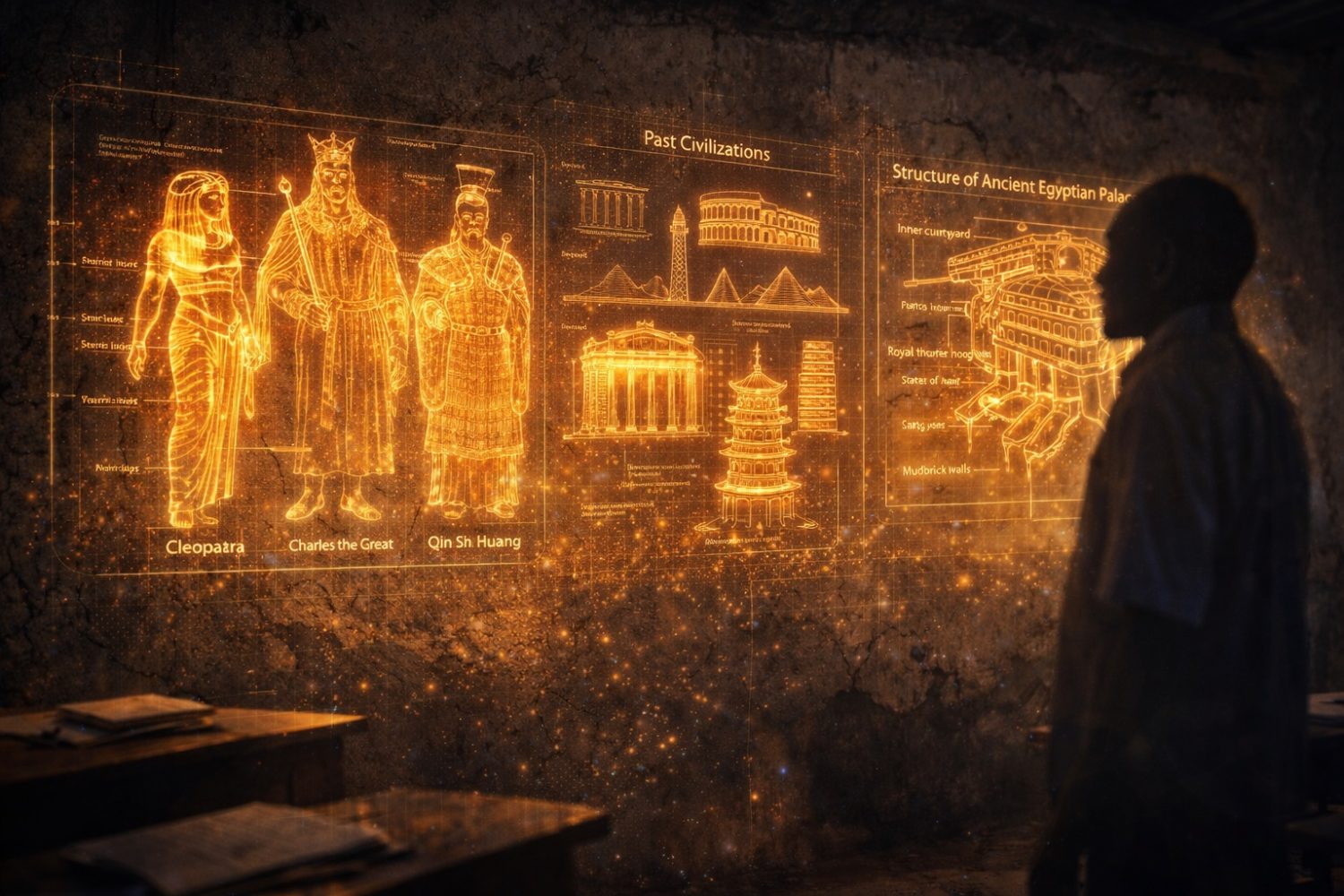
When visibility becomes equal, psychological limitation begins to dissolve. Students no longer see advanced knowledge as belonging to someone else. They see it as belonging to them.
The Silent Revolution
Not all revolutions are loud. Some do not require speeches, banners, or dramatic policy shifts. Some operate quietly, persistently, and with remarkable endurance.
The School Wall Project is such a revolution.
It does not depend on complex software.
It does not collapse during power outages.
It does not require continuous funding cycles to remain functional once installed.
It stands on the wall Everyday.
Reminding children that knowledge is not distant. It is not foreign. It is not reserved for others.
It belongs to them.
And when imagination is activated early and consistently — even in environments shaped by poverty — potential begins to expand beyond circumstance. Over time, that expansion reshapes communities, and eventually, reshapes the world.